




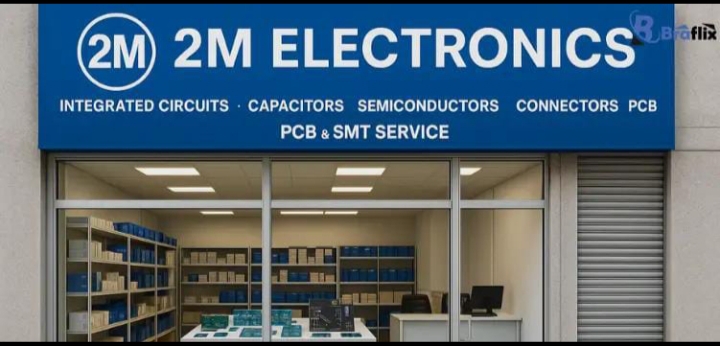
2M Electronic: Innovations and Impact
Introduction to 2M Electronic
2M Electronics:” refers to the category of electronic products and technologies that fall within a specific segment of the consumer electronics market, typically characterized by a price point of over 2 million in local currency, whether dollars, euros, or other denominations. This segment holds significant relevance in today’s tech industry, as it encompasses high-end devices that are often at the forefront of innovation. As technology evolves, 2M electronics have become synonymous with superior quality, advanced features, and enhanced user experiences.
The significance of 2M electronics lies not only in their technological prowess but also in their role as indicators of market trends and consumer expectations. Professionals in the field, including engineers, designers, and marketing experts, collaborate to drive advancements in this space, ensuring that products meet the distinct demands of discerning consumers. This interplay between technology development and consumer feedback is crucial for fostering innovation and continuous improvement within the sector.
Moreover, the advancements in 2M electronics encompass a broad spectrum of innovations, from cutting-edge audio-visual technologies to smart home devices and high-performance computing solutions. These innovations shape the way individuals interact with technology, ultimately redefining their daily lives. The involvement of researchers who focus on technological breakthroughs further enhances the potential of 2M electronics, contributing to the development of new materials, connectivity solutions, and processing capabilities.
As we delve deeper into the landscape of 2M electronics, it becomes evident that this sector not only influences consumer preferences but also sets benchmarks for what is achievable in the realm of technology. This exploration will shed light on the ongoing innovations within the domain and their far-reaching impact on society.
The Foundation of 2M Electronic Technology
The landscape of modern electronics is heavily reliant on foundational technologies, which serve as the building blocks for complex systems. At the core of 2M electronics lie microcontrollers, sensors, and communication modules, each playing a vital role in ensuring the performance and functionality of electronic devices. Microcontrollers can be deemed as the brains of electronic devices. These compact integrated circuits are designed to execute a variety of tasks, ranging from basic control functions to complex algorithms. By processing inputs from various sensors and executing logical operations, microcontrollers enable devices to communicate and interact effectively with their environment.
Equally significant are sensors, which act as the sensory organs of electronic systems. They are essential for gathering real-time data, whether it be temperature, motion, light, or other physical phenomena. In the context of 2M electronics, these sensors enable devices to capture and respond to stimuli, bringing intelligence into previously passive systems. The synergy between microcontrollers and sensors allows for the creation of responsive systems that can be employed across various applications, from smart home devices to industrial automation.
Moreover, communication modules are indispensable in establishing connections between devices. These components ensure seamless data exchange, allowing devices to operate in harmony within networks. Whether through Wi-Fi, Bluetooth, or cellular technology, communication modules facilitate real-time interaction and provide the backbone for innovation in IoT (Internet of Things) applications. In 2M electronics, the integration of these foundational technologies ensures that electronic devices are not only functional but also versatile, paving the way for advancements that enhance efficiency, automation, and user experience.
Recent Innovations in 2M Electronic
The landscape of 2M electronics has witnessed remarkable innovations that are driving significant advancements across diverse sectors. These breakthroughs are not only enhancing electronic capabilities but also fostering new applications that are reshaping industries. One of the most notable innovations is in the realm of semiconductor technology, where the development of 2M electronic components has led to a sharp increase in processing speeds and energy efficiency. For instance, manufacturers are leveraging advanced materials such as graphene to create more efficient transistors, which significantly contribute to the reduction of power consumption.
Another critical innovation is found in the design and integration of smart sensors within 2M electronics. These sensors are being employed in various applications, from smart home devices to industrial automation. A prominent example can be observed in the automotive industry, where 2M electronics are enabling advanced driver-assistance systems (ADAS) that improve safety and operational efficiency. The integration of real-time data processing and machine learning algorithms within these systems allows for more accurate environmental sensing and decision-making.
Moreover, advancements in wireless communication technologies have transformed how 2M electronics interact within the Internet of Things (IoT). Innovations such as low-power wide-area networks (LPWAN) provide a robust solution for connecting a plethora of devices seamlessly, thus expanding the realm of smart technologies within agriculture, healthcare, and urban development. Furthermore, case studies illustrating the deployment of 2M electronic components in drone technology showcase how improved payloads and enhanced navigation capabilities are pushing the boundaries of logistics and delivery services.
These recent innovations in 2M electronics are not just limited to performance enhancements; they are also promoting sustainability by enabling energy-efficient solutions. Companies are increasingly focusing on producing recyclable electronic components, which align with global efforts towards environmental conservation. Altogether, these advancements are paving the way for a future rich with potential, promising to redefine the interaction between technology and everyday life.
Applications of 2M Electronics Across Industries
2M electronics have emerged as a pivotal technology in various sectors, including healthcare, automotive, consumer electronics, and smart home technology. These innovations are driving significant advancements in efficiency, connectivity, and user experience, thereby transforming daily life substantially.
In the healthcare industry, 2M electronics are revolutionizing patient monitoring and medical devices. Wearable technology, such as smartwatches and fitness trackers, integrates 2M electronics to provide real-time health data, enabling users and healthcare providers to monitor vital signs and activity levels seamlessly. Furthermore, remote patient monitoring systems leverage these advancements to facilitate telemedicine, ensuring timely healthcare interventions and improving overall patient outcomes.
The automotive sector is experiencing a profound shift due to the integration of 2M electronics, particularly in the realm of electric and autonomous vehicles. These technologies enhance vehicle connectivity, allowing for advanced navigation systems, predictive maintenance, and enhanced safety features. By providing drivers with real-time data on vehicle performance and traffic conditions, 2M electronics contribute to improved driving experiences and greater operational efficiency.
Consumer electronics is another domain where 2M electronics showcase their versatility. Devices such as smartphones, tablets, and smart televisions benefit from increased processing power and quicker response times. This evolution enables richer multimedia experiences and more sophisticated applications, elevating user engagement and satisfaction. Additionally, 2M electronics play a critical role in the development of interactive and immersive technologies like virtual reality and augmented reality, expanding the horizons of entertainment and education.
Smart home technology has also seen remarkable growth driven by 2M electronics Smart appliances, lighting systems, and security solutions seamlessly connect through the Internet of Things (IoT), allowing for enhanced control and automation. Users can monitor and manage their home environment remotely, leading to increased comfort and energy efficiency while also contributing to improved security.
The Role of 2M Electronics in the Internet of Things (IoT)
The advent of the Internet of Things (IoT) has revolutionized how electronic devices interact with each other and their environments. Central to this phenomenon is the role that 2M electronics play in facilitating seamless communication among devices. By providing an integrated framework of sensors, connectivity options, and data processing capabilities, 2M electronics enable smart devices to operate efficiently and effectively within an IoT ecosystem.
At the heart of this relationship is the concept of interoperability, where various smart devices—ranging from home appliances to industrial machinery—can exchange information and collaborate to enhance functionality. This is achieved through 2M electronics, which often incorporate advanced communication protocols and standards. By ensuring that devices can seamlessly connect with one another, 2M electronics enhance user experiences and ultimately lead to smarter, more responsive environments.
The implications for consumers are profound. With 2M electronics integrated into everyday products, users can enjoy greater convenience, improved energy efficiency, and increased automation in their homes and businesses. For example, smart thermostats can adjust temperatures based on user preferences and external conditions, all thanks to the data-driven insights provided by advanced 2M electronics.
Moreover, businesses stand to benefit significantly from the incorporation of 2M electronics into their operations. Enhanced data analytics capabilities allow companies to monitor equipment in real-time, optimize resource allocation, and reduce operational costs through predictive maintenance. This real-time feedback loop minimizes downtime and fosters a proactive approach to system management, ultimately leading to increased productivity and profitability.
In summary, the relationship between 2M electronics and the Internet of Things is foundational for enabling smart devices to communicate effectively. This connection not only enhances consumer experiences but also empowers businesses to adapt and thrive in an increasingly interconnected world.
Challenges Facing 2M Electronics Industries
The 2M electronics industry is navigating a complex landscape filled with numerous challenges that affect its operational efficiency and long-term sustainability. One of the most pressing issues is security. As devices become increasingly interconnected, the risk of cyberattacks grows significantly. Manufacturing systems, supply chains, and consumer products are particularly vulnerable to breaches that could compromise sensitive data or lead to service disruptions. Strengthening security measures is essential; however, it often requires substantial investments and expertise, which not all companies can afford.
Data privacy is another significant concern facing the 2M electronics sector. With the exponential growth of data collection through IoT devices and other technologies, the industry must grapple with regulatory compliance and ethical considerations. Stakeholders are tasked with ensuring that personal data is handled responsibly while still harnessing the potential of consumer insights for product innovation and enhancements. Balancing these two needs—protection of user information and the drive for data-driven decision-making—can create conflicting objectives for companies.
Interoperability poses yet another challenge. The 2M electronics industry is characterized by the proliferation of diverse technologies and systems. The absence of standardized protocols can hinder collaboration between devices from different manufacturers, negatively impacting user experiences and operational efficiency. Organizations must strive for seamless integration solutions to foster device compatibility and enhance overall functionality.
Lastly, the rapid pace of technological change in the 2M electronics industry can be overwhelming. Companies must consistently adapt to stay competitive, as innovations such as artificial intelligence, machine learning, and advanced materials reshape the landscape. This swift evolution can lead to obsolete products and practices, forcing firms to invest continually in research and development while also managing market pressures. Addressing these challenges is essential for various stakeholders to thrive in the changing environment of the 2M electronics sector.
Future Trends in 2M Electronics
The realm of 2M electronics is poised for transformative advancements as technology evolves rapidly. Key trends that are anticipated to shape the future of this sector include notable developments in artificial intelligence (AI), machine learning (ML), and sustainability in product design. These innovations signify a shift towards more intelligent and eco-friendly electronics that will influence both consumer habits and industrial operations.
Artificial intelligence is increasingly integrated into 2M electronics, enabling devices to become more adaptive and responsive to user needs. This integration allows for enhanced functionality, where products can learn from user interactions, improve over time, and operate more efficiently. The implications of AI within 2M electronics extend beyond mere usability; for instance, smart devices can communicate with each other through the Internet of Things (IoT), leading to streamlined processes and improved user experiences.
Machine learning complements AI by utilizing vast data sets to forecast trends and user preferences. As 2M electronics increasingly rely on data-driven decision-making, ML will play a crucial role in creating tailored solutions that meet individual and market demands. This personalized approach not only heightens consumer satisfaction but also optimizes the supply chain, reducing waste and enhancing overall efficiency.
Sustainability is another pillar driving future trends in 2M electronics. As environmental concerns gain prominence, companies are increasingly focusing on eco-friendly product design. This encompasses the use of recyclable materials, energy-efficient operations, and the development of devices that have a minimal carbon footprint. The shift toward sustainable practices reflects consumer preferences for greener alternatives and regulatory pressures to adhere to environmental standards.
As these trends converge, the future of 2M electronics is expected to be characterized by innovative applications and increased reliance on intelligent technologies. The interplay of AI, ML, and sustainability efforts will not only enhance existing products but also pave the way for new innovations that elevate the functionality and ecological impact of electronics.
The Market Landscape for 2M Electronics
The market for 2M electronics is witnessing significant evolution characterized by a confluence of technological advancements, competitive dynamics, and economic factors. Among key players in the industry, established companies continue to innovate alongside a wave of emerging startups, collectively reshaping the market landscape. Major corporations are investing heavily in research and development to enhance product capabilities and efficiency, thereby reinforcing their market positions. This competition drives continuous improvement and facilitates the introduction of cutting-edge 2M electrical products.
As sustainability becomes paramount, 2M electronics manufacturers are integrating eco-friendly practices into their production processes. Companies are increasingly focusing on energy-efficient devices, which resonate well with consumer preferences. Moreover, an emphasis on digital transformation has led to the integration of smart technologies, aligning with the growing demand for IoT-enabled 2M electronics across various sectors, including healthcare, automotive, and telecommunications.
Market projections indicate a robust growth trajectory fueled by escalating consumer demand for innovative electronic solutions. According to recent reports, the global 2M electronics market is expected to grow at a compound annual growth rate (CAGR) of around 10% over the next five years. Investment opportunities abound in this sector, especially for startups that leverage advanced materials or artificial intelligence to create unique applications of 2M electronics.
Moreover, the impact of geopolitical factors and supply chain dynamics cannot be overlooked as they present both challenges and opportunities for growth. Countries are increasingly focusing on localization of manufacturing processes to mitigate risks associated with global supply chains. This shift opens avenues for investment and collaboration amongst market players. As the industry continues to evolve, keeping abreast of these dynamics will be essential for stakeholders looking to capitalize on the future potential of 2M electronics.
Conclusion and Call to Action
As we have explored throughout this blog post, 2M electronics are poised to play a critical role in shaping future technologies. The innovations presented by 2M electronics not only promise to enhance the efficiency and effectiveness of existing systems but also pave the way for groundbreaking applications in various industries. From advancements in miniaturization to improvements in energy efficiency, the impact of these electronic components is significant and far-reaching.
The integration of 2M electronics into the fabric of modern technology opens the door to smarter electronics that can revolutionize how we interact with devices, manage energy consumption, and develop new solutions to existing challenges. As industries embrace digital transformation, the relevance of 2M electronics becomes even more pronounced. Not only do they offer enhanced performance, but they also contribute to sustainability efforts and innovative product development.
In considering the future of electronics, it is paramount for professionals, researchers, and enthusiasts alike to stay engaged with ongoing advancements in the sector. Continuous learning and adaptation are essential as the field evolves rapidly. Readers are encouraged to dive deeper into research, connect with industry experts, and participate in discussions that address the implications of these technological innovations. By doing so, individuals can contribute to a collective understanding of how 2M electronics will influence the future landscape of technology.
Ultimately, the journey towards a more sophisticated and efficient electronic environment is one that invites collaboration and exploration. Embrace the advancements in 2M electronics, and consider how you might contribute to this exciting field, whether through professional development, innovative projects, or informed advocacy for cutting-edge technology. Together, we can foster a brighter future shaped by the incredible potential that 2M electronics would bring to the world.
Only Read unicorndelight88